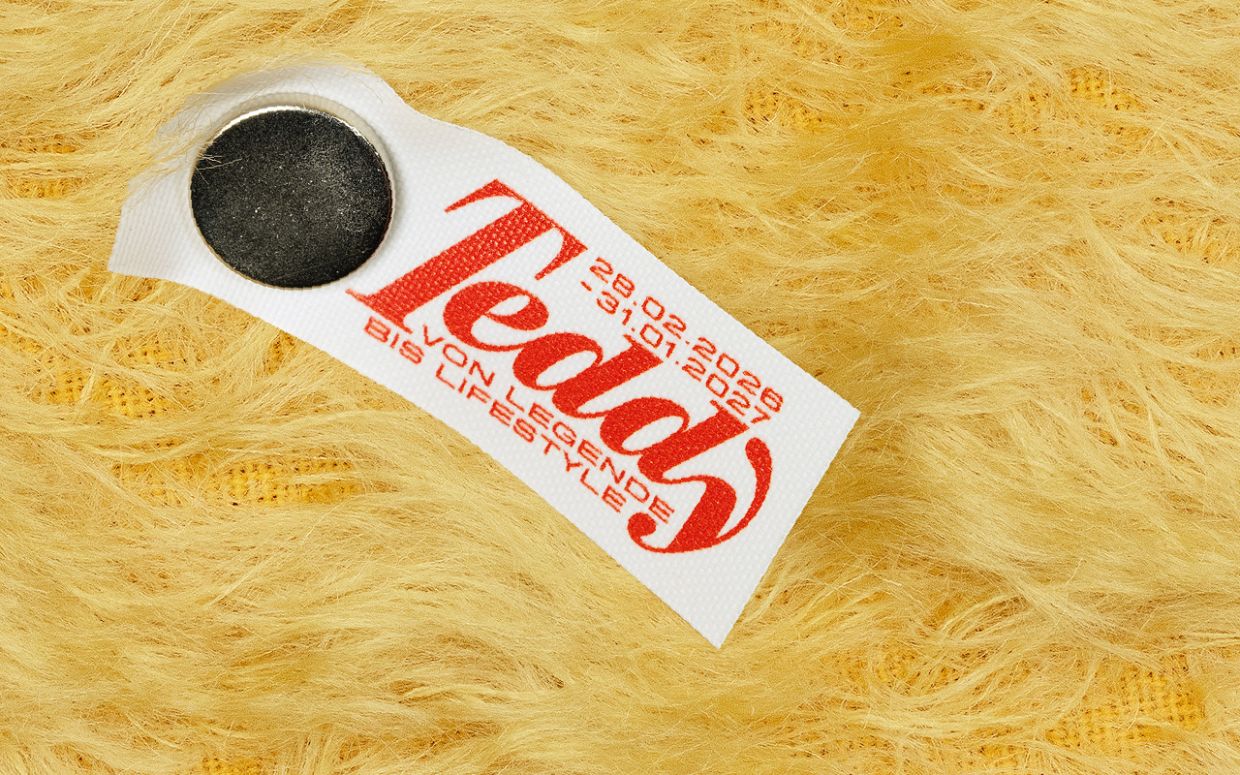
From the earliest examples around 1900 to its rise as a pop-culture icon and sought-after collectors’ item, the teddy bear is arguably the world’s favourite soft toy. What sets it apart above all is its emotional resonance: far more than a plaything, it is often a loyal companion, a source of consolation and a patient listener.
For over a century, the teddy bear has been at our side through life’s ups and downs – as a toy, a cherished object and a collectors’ rarity. Yet our fascination with bears goes back much further, as is evident from myths and symbolism. Whether in ancient legends, heraldry or traditions such as Basel’s Bärentanz (Bear Dance), the bear has long stood for qualities such as strength, protection and courage.
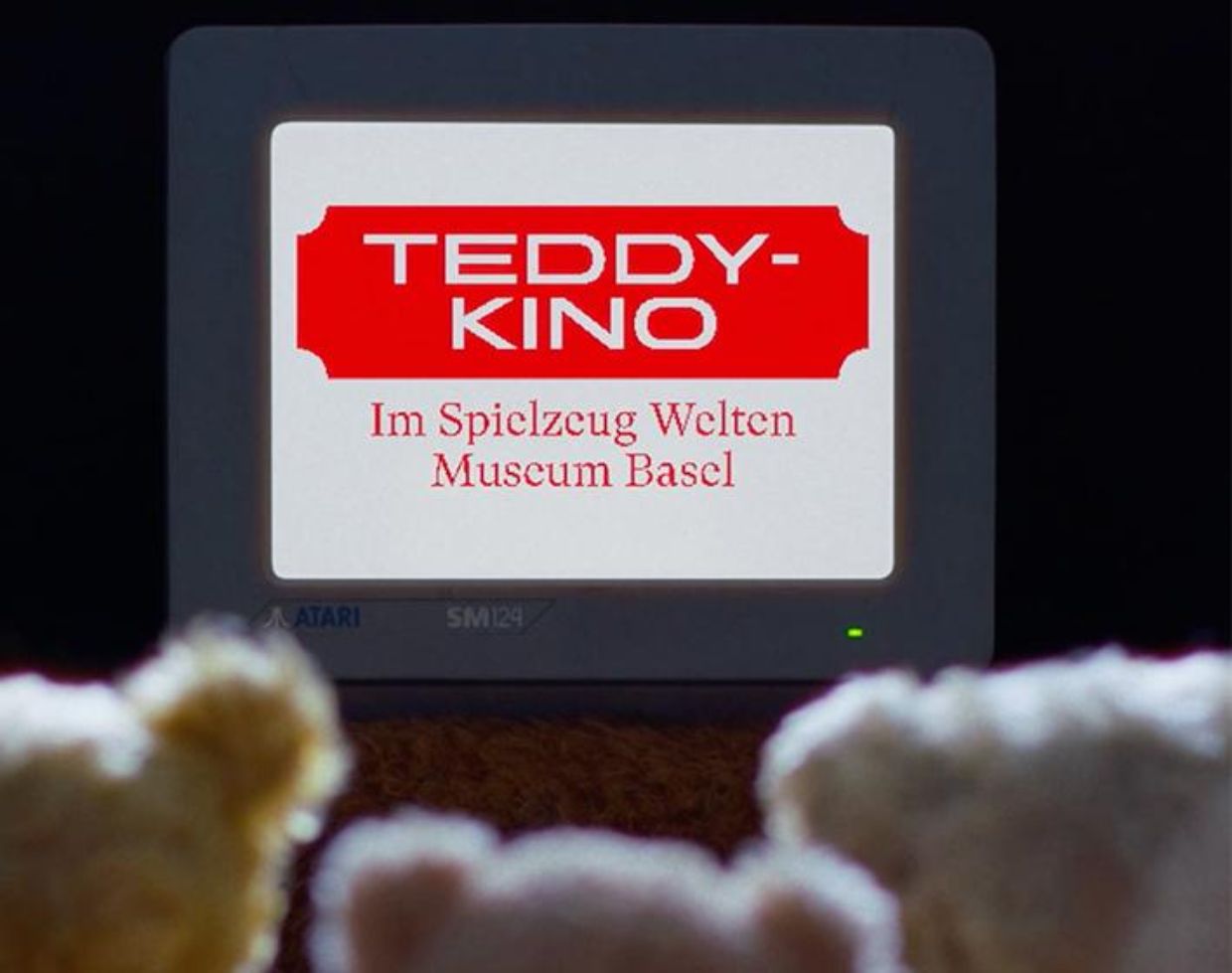
This exhibition explores how that enduring fascination with the bear gave rise to a soft toy that went on to enjoy global success. In the “year of the bear” in 1907, a genuine craze took hold, and teddies quickly made themselves at home in children’s bedrooms across Europe and the United States. Before long, the bear – in the guise of Winnie-the-Pooh, Paddington or Baloo – had leapt onto cinema screens and into television. Advertising also seized on its appeal, most famously with the Haribo Goldbear. Today, the teddy is woven into everyday design, appearing on lifestyle products and even on the catwalk, reimagined by brands such as Ralph Lauren and Palm Angels.
The teddy bear appears today in countless forms. Familiar yet continually reinvented, it remains an ever-present and steadfast companion in our lives.
Many thanks for the loans:
Naturhistorisches Museum Basel
Museum Luzern
Naturhistorisches Museum der Burgergemeinde Bern